How Long Do Brakes Last? (And 5 Ways to Make Them Last Longer)
“How long do brakes last?” is one of the most common—and trickiest—questions in auto maintenance. The frustrating truth is there is no single, simple answer. A set of brakes could last one driver 20,000 miles and another driver 70,000 miles!
The lifespan of your braking system—specifically the brake pads and brake rotors—is less about time and more about friction, heat, and, most importantly, your personal driving style.
This comprehensive guide will break down the average lifespan of modern braking components, reveal the critical factors that cause wear, and teach you the warning signs that indicate it’s time for a replacement.
The Average Lifespan of Brake Components
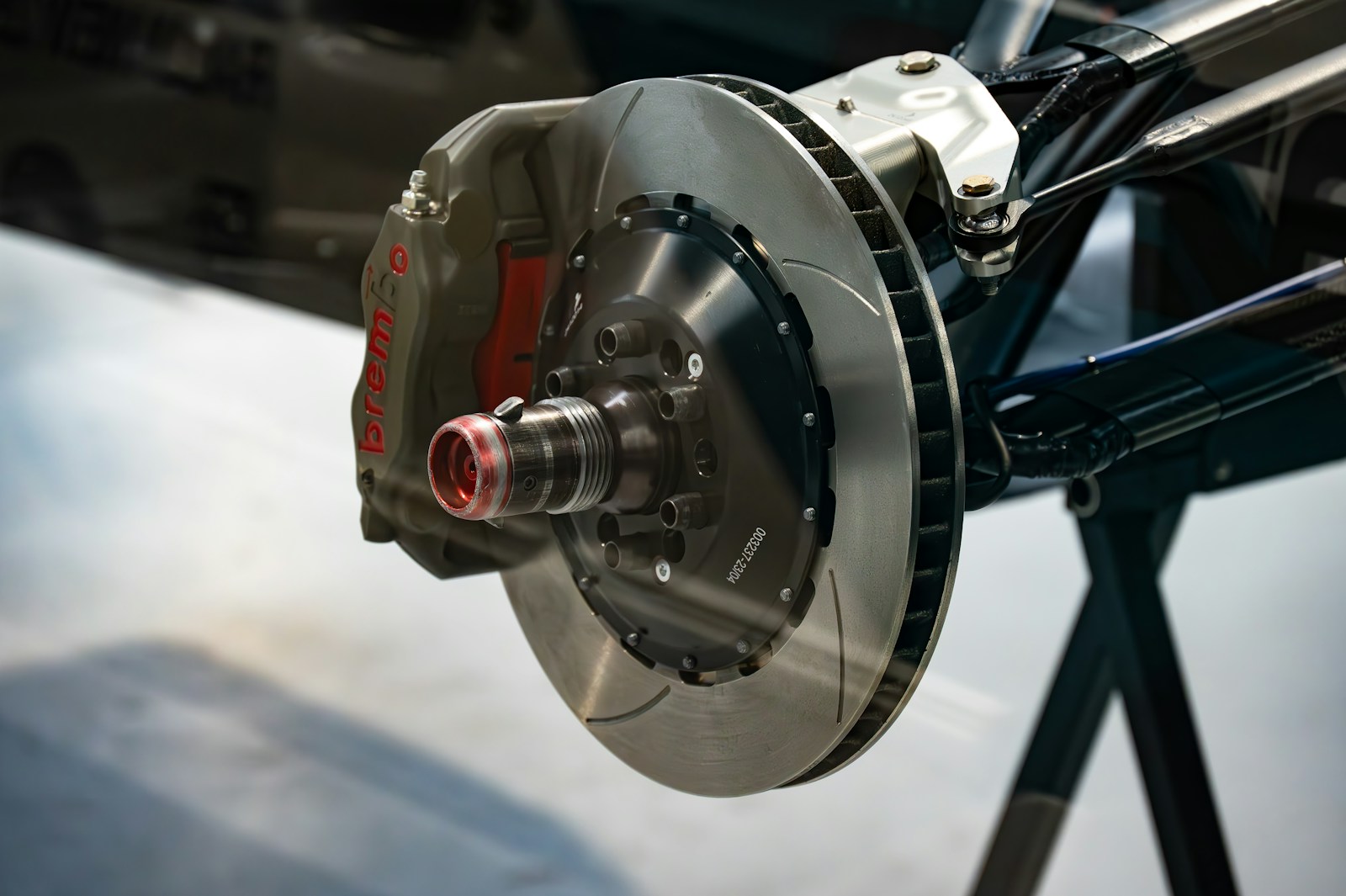
Your car’s braking system consists of two main wear items that require periodic replacement: the pads and the rotors.
1. Brake Pads Lifespan
Brake pads are the sacrificial material. They are pressed against the rotor to create the friction needed to slow your vehicle.
| Driving Condition | Estimated Lifespan (Miles) |
| City/Stop-and-Go Traffic | 20,000 – 45,000 miles |
| Mixed City/Highway Driving | 40,000 – 65,000 miles |
| Primarily Highway Driving | 60,000 – 75,000+ miles |
Key Takeaway: The more you stop, the faster your brake pads wear out. City driving—with its constant acceleration and deceleration—is the harshest environment for car brakes.
2. Brake Rotors Lifespan
Brake rotors (or discs) are the metal components that the pads clamp down on. They are designed to dissipate heat and last significantly longer than the pads.
- Average Rotor Lifespan: Typically, brake rotors can last 50,000 to 70,000 miles or longer.
- Replacement vs. Resurfacing: Depending on wear, rotors can sometimes be resurfaced (“turned”) to restore a smooth braking surface. However, due to modern thinner rotors and labor costs, replacement is often the preferred, and sometimes necessary, option.
5 Critical Factors That Determine How Long Your Brakes Last
The wide range in the brake pad lifespan—from 20k to 70k miles—is entirely determined by a few key variables. Understanding these factors is the secret to extending the life of your brakes.
1. Your Driving Habits (The Biggest Factor)
The most significant influence on your brake life is the person behind the wheel.
- Aggressive Braking: Slamming on the brakes at the last minute generates extreme heat and friction, drastically speeding up wear.
- Gentle Coasting: Drivers who anticipate traffic, maintain a safe following distance, and coast to a stop without aggressive pressure enjoy significantly longer brake life.
- “Riding” the Brakes: Resting your foot lightly on the brake pedal while driving constantly generates low-level friction and heat, accelerating wear unnecessarily.
2. Vehicle Weight and Type
Physics dictates that more mass requires more force to stop.
- Heavier Vehicles: Large SUVs, pickup trucks, and vehicles with frequent heavy loads (like towing trailers) wear through brake pads much faster than light passenger cars.
- Weight Distribution: Because of forward momentum, the front brake pads on almost all vehicles wear out faster than the rear pads (sometimes twice as fast).
3. Brake Pad Material
The composition of the pad directly affects performance, noise, and longevity.
- Organic Non-Metallic (NAO): Quiet and budget-friendly, but generally have the shortest lifespan (often 20,000–40,000 miles). Best for lighter-duty, older cars.
- Semi-Metallic: Excellent stopping power and heat transfer, but often noisy and can wear down rotors faster. Average lifespan is 30,000–60,000 miles.
- Ceramic: High-performance, low-dust, and quiet. They typically offer the best longevity (often 50,000–75,000+ miles) but come with a higher price tag.
4. Road Conditions and Terrain
Your commute plays a large role in how often you use the brakes.
- Mountainous Terrain: Long downhill grades require prolonged braking, leading to overheating and accelerated wear.
- Stop-and-Go Commutes: As mentioned, heavy urban traffic means constant braking, burning through pads quickly.
- Highway Cruising: Less braking means maximum brake life.
5. Maintenance and Inspection
Neglecting other parts of the system can cause premature wear on the pads and rotors.
- Sticking Caliper: A sticky or seized caliper causes a brake pad to remain partially engaged, leading to constant friction, extreme heat, and rapid, uneven wear on that specific side.
- Brake Fluid: Old or contaminated brake fluid can compromise the entire hydraulic system, though it doesn’t directly affect pad friction.
5 Warning Signs You Need New Brakes Now
Your vehicle will almost always give you clear warnings before your brakes fail. Never ignore these signs—they indicate that you need a brake replacement soon.
| Warning Sign | What it Sounds/Feels Like | Component Affected |
| High-Pitched Squealing | A faint, sharp squeeeal when lightly braking. | Brake Pads. This is a deliberate sound from a small metal wear indicator built into the pad, alerting you that the friction material is low. |
| Loud, Deep Grinding | A harsh, metallic grinding or growling noise. | Pads and Rotors. This is critical! It means your brake pads are completely gone, and the metal backing plate is scraping against the metal rotor. Stop driving immediately. |
| Brake Pedal Pulsation | A vibration or pulsing felt in the brake pedal or steering wheel when slowing down. | Brake Rotors. This usually signals that the rotors have warped from excessive heat, causing the brake pad to make uneven contact. |
| Soft or “Spongy” Pedal | The brake pedal feels soft or sinks too easily, requiring more pressure or distance to stop. | Brake System. Indicates low brake fluid, a leak, or air in the brake lines. This is a severe safety issue—get inspected immediately. |
| Visual Wear | A peek through your wheel spokes shows the pad material is very thin. | Brake Pads. If the pad material is visible and less than 3mm thick (about the thickness of a few pennies stacked up), it’s time for replacement. |
How to Get the Longest Life Out of Your Brake Pads
You can actively manage your brake wear and push your components toward the higher end of the mileage estimates by adopting simple, defensive driving habits:
- Anticipate Traffic: Scan far down the road. If you see a red light, start easing off the gas pedal early and coast, minimizing the need for hard braking.
- Use Engine Braking on Hills: When descending a long, steep hill, shift your transmission into a lower gear. This uses the engine’s resistance to slow the car, preventing your friction brakes from overheating.
- Maintain Distance: A safe following distance gives you the necessary space to slow down gradually, preventing the sharp, hard stops that accelerate wear.
- Avoid Excess Weight: Remove any heavy, unnecessary items from your trunk or cargo area. Less weight means less work for your brakes.
- Schedule Regular Inspections: Have your brakes checked during your routine oil changes or every 10,000–15,000 miles. Catching uneven wear or a sticky caliper early can save your rotors and significantly extend your overall brake life.