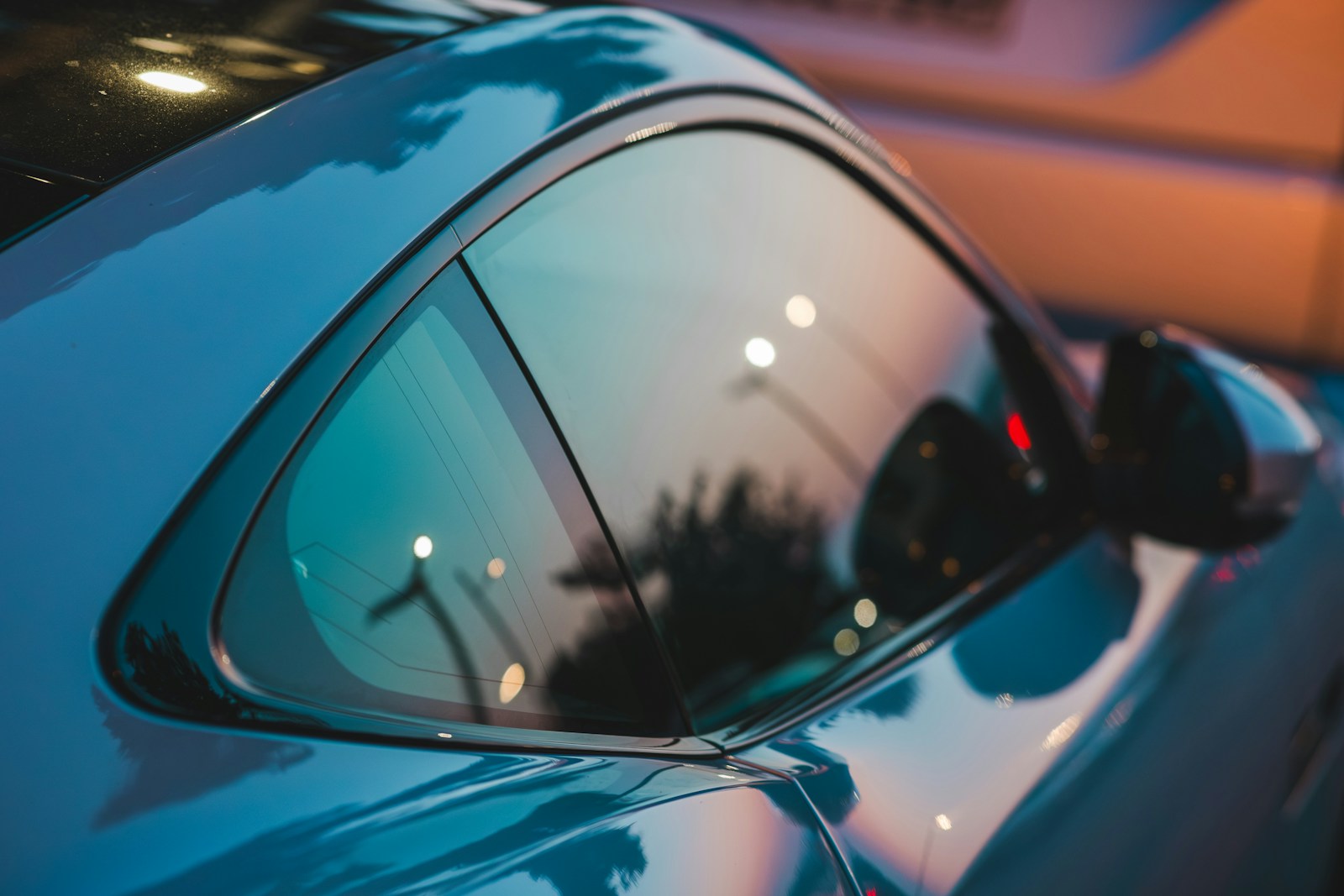
How Much to Tint Car Windows: A Comprehensive Cost Guide for 2024
Thinking about getting your car windows tinted? Whether you’re chasing that sleek, custom look, seeking maximum UV protection, or trying to beat the summer heat, tinting your car is a smart investment. However, when you start asking, “How much to tint car windows?” you’ll quickly find that the answer is rarely a single number.
The car window tinting cost is highly dependent on several key variables, from the material you choose to the type of vehicle you drive. This guide breaks down the average prices, explores the factors that influence your final quote, and helps you determine the right solution for your budget.
Average Car Window Tinting Cost Breakdown
Generally speaking, the professional cost to tint a standard sedan (four side windows and the rear window) falls into a wide range.
| Vehicle Type | Standard Film Price Range (Dyed/Basic) | Premium Film Price Range (Ceramic/Carbon) |
| Compact Sedan/Coupe | $150 – $300 | $400 – $650 |
| Standard Sedan | $200 – $400 | $400 – $700 |
| Mid-Size SUV/Truck | $250 – $450 | $500 – $800 |
| Large SUV/Minivan | $300 – $600+ | $600 – $1,000+ |
Key Takeaway: The price for a full professional tint job usually ranges from $200 to $800 for most vehicles, with high-performance films and specialty vehicles pushing the upper limit.
3 Major Factors That Determine Your Window Tinting Price
To understand your specific quote, you need to look at the three primary cost drivers: the film material, the vehicle itself, and the installer.
Factor 1: The Type and Quality of Tint Film
The material is the single biggest variable in determining how much car window tinting costs. Better technology provides superior heat rejection and durability, but comes at a higher price.
| Film Type | Cost Range (for a Sedan) | Key Performance & Longevity |
| 1. Dyed Film | $150 – $300 | Basic privacy; limited heat rejection. Tends to fade, bubble, or turn purple within 1-3 years. The most budget-friendly option. |
| 2. Metalized Film | $250 – $450 | Better heat rejection and durability. Reflects heat away. Caution: Can interfere with GPS, cell, and radio signals. |
| 3. Carbon Film | $300 – $550 | Excellent heat reduction and UV blockage (up to 99%). Provides a rich, true-black, non-reflective finish that won’t fade. |
| 4. Ceramic Film | $450 – $1,000+ | Premium Choice. Superior heat and UV rejection without metal interference. Most durable and longest-lasting (10+ years), making it the most expensive tint. |
Factor 2: Your Vehicle’s Size and Complexity
A larger car simply requires more material and more labor time.
- Size Matters: An SUV or large truck will cost 25% to 40% more than a compact sedan due to the increased surface area of the glass.
- Window Count: Vehicles with more windows (like minivans or large SUVs) naturally require more material and time.
- Complexity: Curved windows, small triangular panes (common on crossovers), or tight seals require precision and increase the installation time and potential material waste, which can raise the window tint price.
Factor 3: Professional vs. DIY Installation
While a DIY window tinting kit might seem like the cheapest route, it often results in higher long-term costs.
| Option | Upfront Cost (Materials) | Quality & Longevity | Hidden Costs & Risks |
| DIY Installation | $40 – $150 | Poor to Variable. Low-quality film often used. | Bubbling, peeling, poor appearance, fines for non-compliance with local laws. May require professional removal later (an added cost of $50–$150). |
| Professional Install | $200 – $1,000+ | High Quality. Clean, factory-like finish. | Higher initial cost. |
Expert Recommendation: For a clean finish, maximum durability, and adherence to local tint laws, professional installation is strongly recommended. You are paying for a certified installer’s skill, craftsmanship, and warranty, which is priceless when compared to a flawed, temporary DIY job.
Hidden Costs and Added Value to Consider
When budgeting for car window tinting, make sure to ask about these often-overlooked expenses and benefits.
1. Tint Removal
If your car has old, peeling, or oxidized tint, the shop will need to remove it before applying the new film. This is a time-consuming process that can add $50 to $150 to your total cost.
2. Warranty Coverage
Warranties are a critical measure of film quality and cost.
- Premium Films (Ceramic/Carbon) often come with a transferable, lifetime manufacturer warranty against fading, peeling, and bubbling. This protection justifies the higher upfront price.
- Budget Films (Dyed) typically offer very limited or no warranty, meaning you may have to pay for a replacement in just a few years.
3. Legal Compliance (VLT)
Tint laws vary drastically by state and country, specifically regarding the Visible Light Transmission (VLT) percentage. A reputable installer will guarantee your tint is legal for your area, helping you avoid costly fines. They have the expertise to apply different shades to the front and rear windows if required by law.
Maximizing the Value of Your Tint Investment
Ultimately, the goal is not just to find the cheapest option, but to find the best long-term value. Premium ceramic window tinting offers benefits that can save you money over time:
- Reduced A/C Use: Superior heat rejection keeps your cabin cooler, reducing strain on your air conditioning and potentially saving on fuel costs.
- Interior Preservation: Blocking up to 99% of UV rays prevents your dashboard, leather, and upholstery from cracking and fading, preserving your car’s resale value.
- Enhanced Security: Tint adds an extra layer of protection, making the windows more resistant to shattering and deterring “smash-and-grab” thieves.
When getting quotes, remember to compare the film technology, the warranty length, and the installer’s reputation—not just the initial dollar amount. By choosing a high-quality product and expert service, you ensure your window tinting investment pays off for years to come.