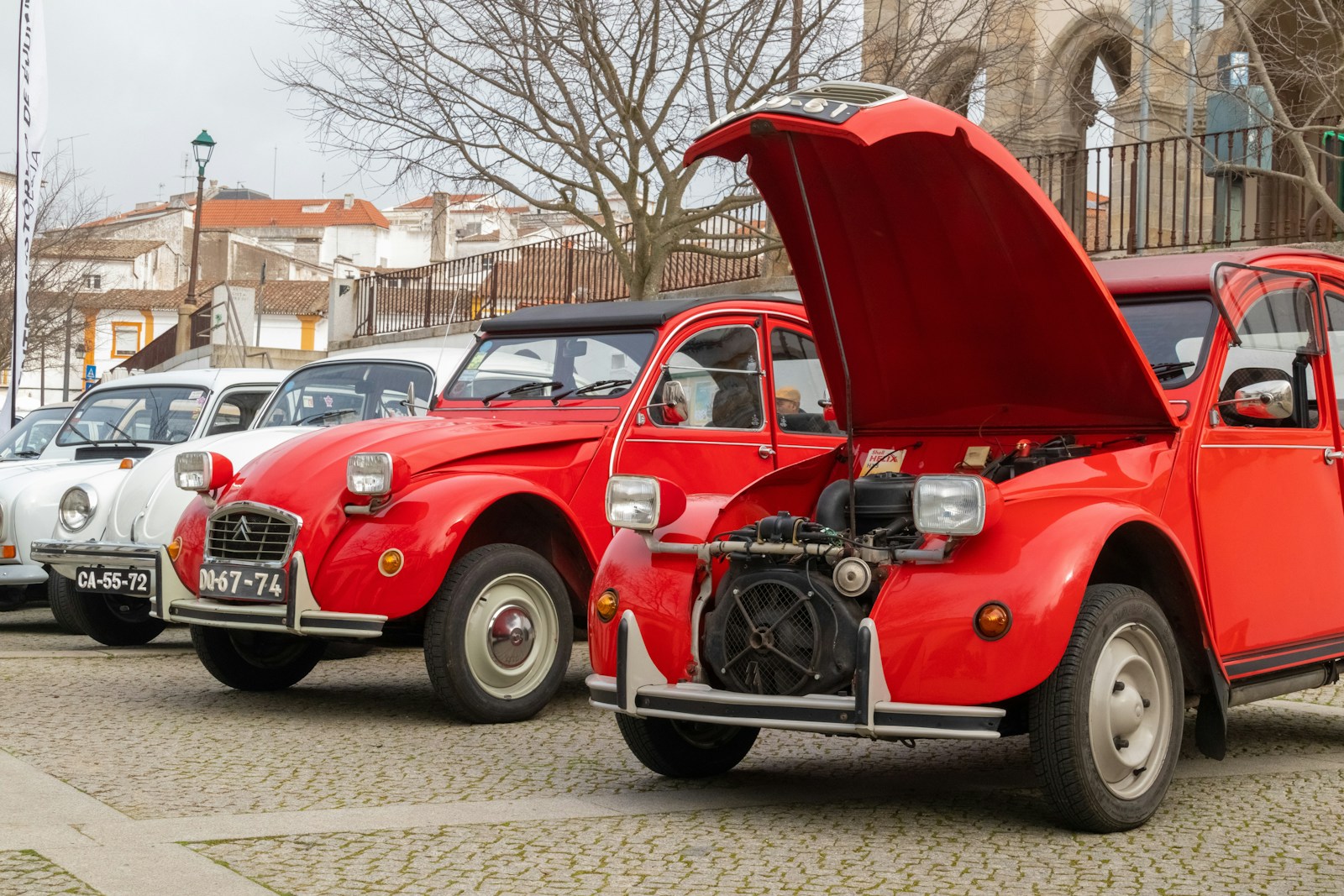
Why Is My Car Smoking Under the Hood? Causes, Colors, and What to Do Next
Seeing smoke rising from under your hood is one of the most alarming sights a driver can experience. Whether it’s a thin wisp or a thick cloud, that smoke is your car sending a clear distress signal.
The good news? Not every instance of car smoking under the hood means a catastrophic engine failure or fire. Often, it’s caused by a minor leak burning off on a hot surface. The bad news? If ignored, even a small issue can quickly escalate into a massive, costly repair.
Understanding the cause requires identifying the smoke’s color and smell. This comprehensive guide will help you quickly diagnose why your car is smoking and tell you the critical steps you must take immediately.
⚠️ Immediate Action: What To Do When You See Smoke
Safety first! If you see smoke, do not hesitate—your actions in the first few minutes can save your engine and potentially prevent a fire.
1. Pull Over Safely and Shut Off the Engine
As soon as smoke appears, activate your hazard lights and safely pull to the side of the road. Turn the engine off immediately. Continuing to drive, especially if the smoke is accompanied by a rising temperature gauge, can cause irreversible damage like a warped cylinder head or a seized engine.
2. Check the Temperature Gauge
If the temperature gauge is reading high (in the red zone), the problem is likely linked to overheating. Wait at least 20–30 minutes for the engine to cool down before attempting to open the hood.
3. Carefully Open the Hood
If the smoke is still visible, be cautious. If the engine is hot, use a rag or wear gloves to touch the hood latch. Do not fully prop the hood immediately if the smoke is intense or the engine is steaming aggressively, as pressurized hot steam can cause severe burns.
Decode the Smoke: Color, Smell, and Causes
The color and odor of the smoke are your best clues for diagnosing why your car is smoking under the hood.
1. White Smoke (Often Steam)
This is the most common color when fluid hits a hot surface.
| Cause | Smell | Severity | Action |
| Coolant Leak | Sweet, maple syrup-like odor | High | Coolant leaking onto the exhaust manifold or engine block is burning. Check coolant levels. Never open the radiator cap while hot. |
| Blown Head Gasket | Sweet odor accompanied by rapid overheating | Very High | Coolant is leaking internally into the combustion chamber. Driving risks catastrophic engine failure. Requires immediate towing to a mechanic. |
| Water/Condensation | No strong odor | Low | Sometimes, rain or splash water hits a hot component and steams off. This usually clears quickly and is not a concern. |
2. Blue or Gray Smoke
Smoke with a blue or grayish hue is a clear sign that oil is burning where it shouldn’t be.
| Cause | Smell | Severity | Action |
| Oil Spillage or Leakage | Sharp, acrid, burning oil smell | Medium | The most common cause of smoke under the hood. Oil may have been spilled during a recent oil change or is leaking from a faulty valve cover gasket, oil filler cap, or seal onto the hot exhaust manifold. |
| Other Fluid Leaks | Chemical/Acrid odor | Medium | Transmission fluid, brake fluid, or power steering fluid leaking onto the exhaust system will also burn off as smoky residue. |
| Worn Gaskets/Seals | Burning oil smell | High | Worn-out seals or piston rings can allow oil into the combustion chamber or onto the engine exterior. This indicates the need for gasket replacement. |
3. Black Smoke
Black smoke rising from the engine bay is rare and often signals a serious fire risk or a major component malfunction involving fuel or electricity.
| Cause | Smell | Severity | Action |
| Electrical Short/Wire Fire | Strong, distinct smell of burning plastic or rubber | Extreme | If you smell melting plastic or see black smoke near the battery or fuse box, there is an electrical fire. Call emergency services immediately. |
| Excessive Fuel Burning | Strong gasoline or diesel odor | Medium | Usually tied to the exhaust, but extreme cases of an overly rich fuel mixture (too much fuel, not enough air) can cause black smoke near the engine. Check the air filter and fuel system. |
When Smoking Is Paired with Overheating
If your car is smoking and overheating simultaneously, the problem is almost certainly rooted in the cooling system. This is a critical situation that demands immediate professional attention.
Common causes when your engine temperature gauge is high:
- Low Coolant Levels: A lack of fluid means the engine can’t dissipate heat, leading to boiling and steam escaping.
- Faulty Radiator Fan: When driving slowly or idling, the fan is required to pull air across the radiator. If it fails, the engine overheats rapidly.
- Cooling System Leak: A cracked hose, broken water pump, or damaged radiator is allowing coolant to escape and burn, causing the smoke and the overheating.
- Blown Head Gasket: The ultimate mechanical disaster. Overheating often warps the engine block, damaging the head gasket and allowing oil and coolant to mix, leading to rapid, excessive smoke and temperature spike.
How to Prevent Future Engine Smoking
Regular, preventative maintenance is the best defense against a smoky engine. By addressing small leaks early, you avoid the costly damage caused by prolonged exposure to heat and friction.
- Monitor Fluid Levels Weekly: Regularly check your engine oil, coolant, and other fluid reservoirs. A drop in any fluid is a sign of a leak.
- Fix Leaks Immediately: Never ignore a puddle under your car or a drop in fluid. Even a small oil leak onto the exhaust can break down components over time.
- Regular Tune-Ups: Consistent oil changes and scheduled maintenance help mechanics catch worn-out gaskets, seals, and hoses before they fail and lead to a smoking engine.
- Maintain the Cooling System: Have your cooling system flushed regularly to prevent corrosion and ensure components like the thermostat and water pump are functioning correctly.
Seeing smoke under the hood is scary, but staying calm, identifying the smell and color, and taking immediate action will keep you and your car safe. If you suspect an issue, the safest course of action is always to call a trusted mechanic for a professional diagnosis.